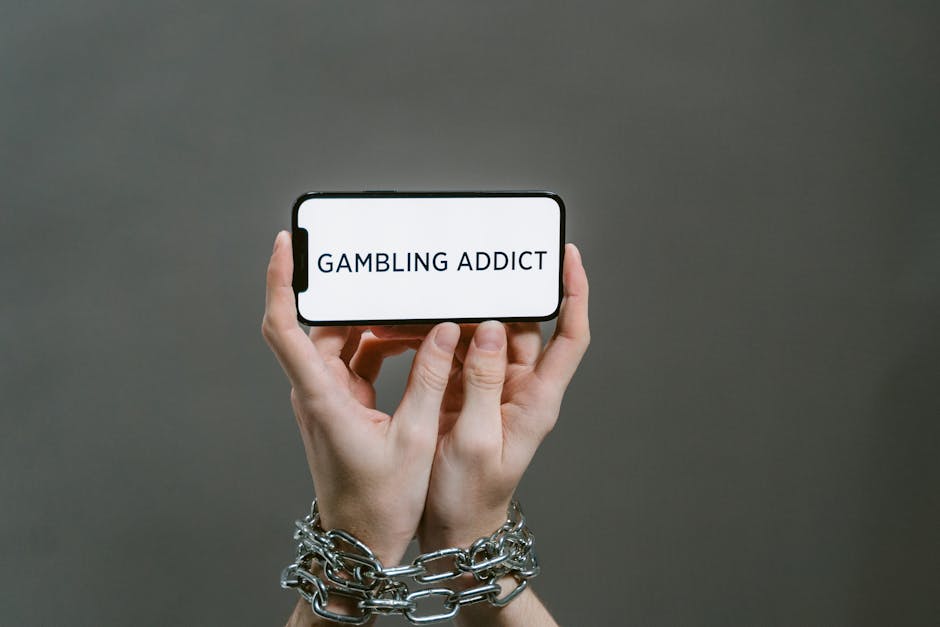

What Self Exclusion Really Does
Self exclusion is a system designed to give people a way out when gambling gets out of control. It’s not a magic fix, but it’s a methodical safety net. Think of it as a deliberate decision to put up a wall between yourself and temptation. The core idea: help individuals control compulsive or impulsive gambling before it leads to serious financial or mental harm.
Here’s how it works. A person voluntarily registers with a self exclusion program through a website, app, or at a physical betting venue. Once enrolled, the system blocks access to gambling platforms or bars entry to physical casinos. Some programs are run by individual companies, while others connect across multiple operators through national databases. Depending on the setup, a person can exclude themselves from one site or the entire regulated market.
The choice to self exclude can be voluntary meaning the individual signs up on their own or mandatory, often ordered by a court or agreed upon as part of a treatment program. Voluntary systems rely on personal accountability. Mandatory exclusions tend to apply when broader harm is already happening, and there’s legal or medical intervention involved.
Either way, the goal is the same: create distance between the gambler and the game. That space can be life changing when paired with the right support.
The Effectiveness in Real Life
Self exclusion programs spark an immediate reduction in harmful gambling behaviors for many at risk individuals. While not a standalone solution, they often serve as a crucial first step in a broader recovery journey.
Visible Reductions in Gambling Activity
Once individuals enroll in self exclusion, most experience:
A measurable drop in gambling frequency
Significant reduction in money lost to gambling
A cooling off period that helps break impulsive patterns
These effects are especially notable within the first few months of activation, giving users space to regain a sense of control.
Long Term Stability and Recovery
Beyond the short term impact, self exclusion supports long term outcomes such as:
Financial recovery By limiting access to gambling platforms, users can rebuild savings, reduce debt, and avoid risky financial behavior.
Improved mental health Reduced stress, fewer anxiety episodes, and better overall emotional regulation are common among participants.
Many users also report a stronger ability to focus on work, family, and personal goals.
Not a Complete Solution, But a Critical Start
It’s important to recognize that self exclusion isn’t a definitive cure. On its own, it doesn’t address the deeper emotional or psychological drivers of compulsive gambling. Cravings and relapse can still occur especially if the individual lacks additional support systems.
Still, as a foundation, self exclusion offers structure in moments of vulnerability. It’s a practical barrier that buys critical time to seek further help.
For a fuller understanding, see our deep dive on self exclusion programs, including how they’re being adapted to meet evolving needs.
Tech’s Growing Support Role

Self exclusion isn’t just about people taking themselves out of the game manually anymore. In 2024, the tech behind it is smarter and more proactive. Most major gambling platforms now come equipped with built in tools that monitor behavior patterns, flag warning signs, and shut things down before they spiral. Users don’t have to navigate a maze of settings; it’s embedded right into the platforms, making responsible play the default instead of the exception.
AI is a big part of this shift. Algorithms are being trained to spot signs of relapse sudden spikes in bets, erratic deposit patterns, marathon gaming sessions. In real time, these systems can trigger soft blocks or alert users with calming reminders and options to pause. For higher risk users, it’s sometimes automatic self exclusion, backed by data. The point isn’t punishment. It’s protection.
Another key evolution: integration with national and regional databases. Self exclusion now travels with the user across platforms, even across borders in some cases. If someone signs up on one site, that status can carry over to others within the same network. It’s harder to slip through the cracks and that’s the goal. The tech may not replace human willpower, but it adds guardrails where they’re most needed.
Challenges and Limitations
Self exclusion programs work until they don’t. The biggest crack in the system? Offshore platforms. Anyone with Wi Fi and the willpower to ignore their own restrictions can find a casino site based in an unregulated jurisdiction. These platforms aren’t bound by local or national bans, and they don’t communicate with exclusion registries. It’s an easy loophole, and too many people walk through it.
Then there’s the enforcement gap. Even where laws exist, they’re often toothless. Regulation doesn’t mean much if oversight is missing or if platforms aren’t held accountable. In countries without strict compliance checks, users can register under fake names or simply click past weak warnings.
But maybe the hardest part can’t be coded or legislated. Emotional relapse hits when people feel isolated. Without consistent follow up therapy, community check ins, or even simple human contact the impulse to gamble again finds its way back. One form, one checkbox, one ban doesn’t fix the reasons people gamble compulsively. It’s a tool, not a finish line.
Pairing Self Exclusion with Other Support Systems
Self exclusion is a useful tool. But it’s not enough by itself. Without structure around it people, plans, and support a break from gambling can turn into a pause before relapse. That’s where therapy, community groups, and financial advisors come in. They offer what time outs can’t: ongoing help to untangle the deeper issues that drive compulsive gambling.
Therapists help uncover emotional triggers and build coping mechanisms. Support groups online or local let people speak honestly with others who get it. And financial advisors can step in to help rebuild the basics: debt plans, budgeting, even guarding access to cash.
Some programs now offer hybrid models: self exclusion linked directly with counseling services, so signing up also means talking to a human. That extra layer turns a digital block into an intentional journey.
The impact? Solid. There are people who’ve chalked up a year plus without gambling, credit scores rising, and relationships repaired all because they stacked tools instead of relying on just one. When tech, therapy, and community work together, the odds shift back in favor of the individual.
The Future of Self Exclusion
Self exclusion is gaining traction, but without consistency across platforms and regions, it risks becoming a patchwork solution. Right now, someone can block themselves on one app and still gamble freely on another or switch jurisdictions entirely. For self exclusion to be truly effective, industry standards need to stretch across international borders. That kind of coordination takes time, but it’s already being pushed by advocacy groups and responsible gaming coalitions.
Gamification is also entering the mix. Platforms are experimenting with ways to make responsible behavior feel less like a penalty and more like a win. Think achievement badges for time away from gambling or rewards tied to healthier habits. It’s early, but the shift matters especially for younger users raised on feedback loops and trackable progress.
Public awareness is the final pillar. None of this works if people don’t know self exclusion exists or how to use it. Ongoing campaigns, simplified onboarding, and clear language make a big difference. Education isn’t flashy, but it moves the needle.
For more on where self exclusion is headed and how broader solutions are evolving, check out this deeper look at self exclusion programs.

 Thalara Kelricsona is the co-founder of mediagamblesaga and a key voice in its content direction. With a unique blend of creativity and industry knowledge, she explores the intersection of technology and user experience in gambling. Her forward-thinking approach ensures the site remains a trusted resource for readers seeking clarity on the fast-changing digital gambling landscape.