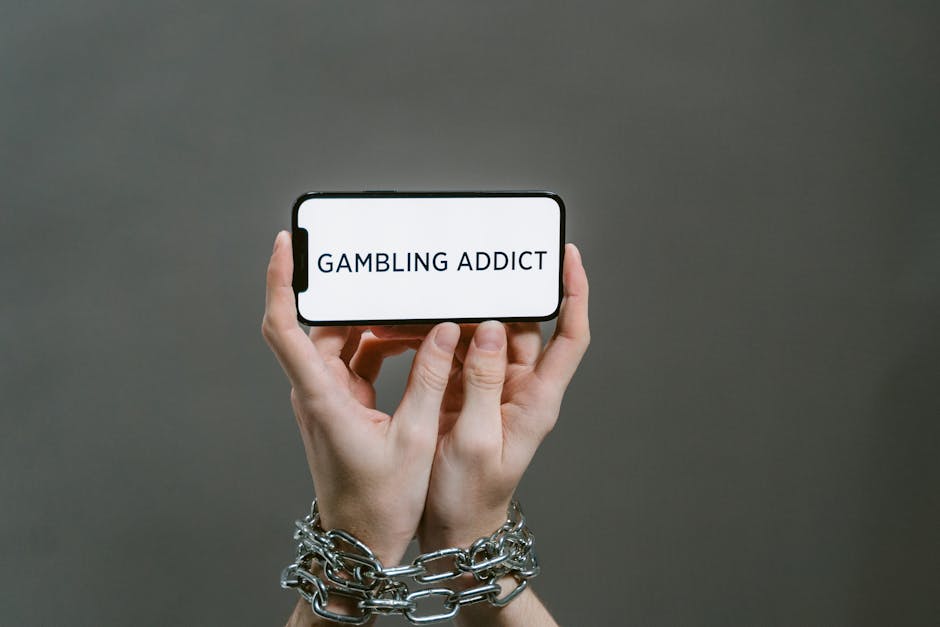

What Gambling Addiction Actually Looks Like
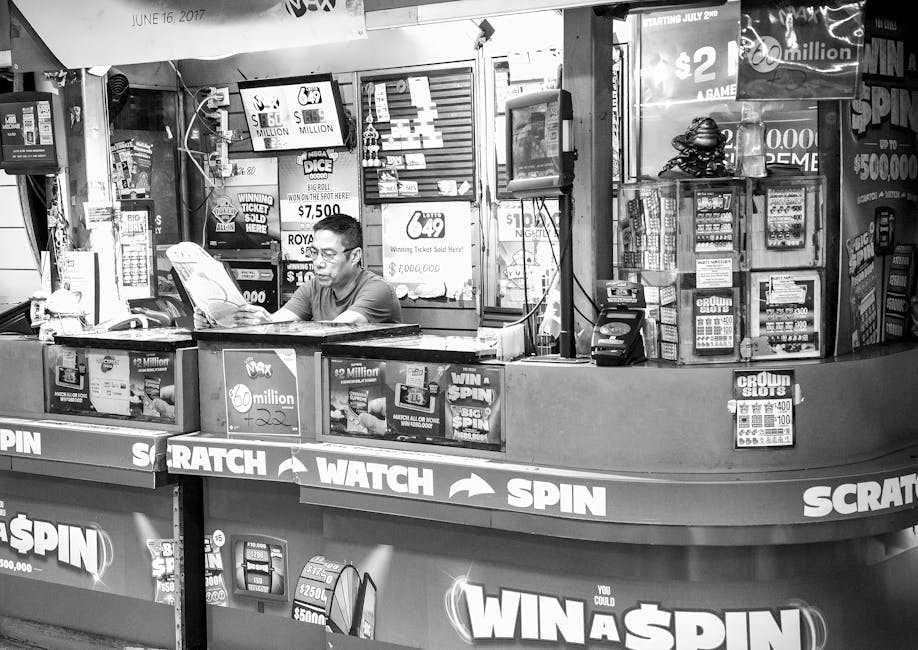
At first, it looks normal harmless, even. A small bet during a football game. A quick spin on an app while waiting in line. It’s familiar, social, even fun. But somewhere along the line, play stops being casual. The stakes feel higher. The desire to win takes over the desire to just enjoy. And gambling starts looking less like entertainment and more like a need.
The shift to compulsive behavior is subtle. It’s not about how much you’re betting or how often. It’s about how you feel when you’re not. Craving the rush. Obsessing over the next wager. Ignoring losses because the next win will fix everything. These aren’t just habits they’re signs of something deeper creeping in.
Addiction hides in plain sight because it often wears the mask of normal behavior. People joke about their losing streaks. They explain every bet: a strategy, a routine, an inside tip. It sounds reasonable until it’s not. Until they’re chasing losses they can’t afford. Skipping sleep. Burning through savings. Lying to themselves.
The difference between a bad run and a problem? A bad run ends. You feel it, take a step back, move on. But with addiction, stopping isn’t easy and often doesn’t even feel like an option.
Emotional and Behavioral Red Flags
Gambling addiction rarely kicks in overnight. It creeps in, often masked by optimism or routine. One of the first red flags is a noticeable change in mood. Someone who used to be relaxed or easygoing might start snapping over small things. Irritability, even aggression, becomes more common especially when gambling is brought up. Ask a simple question about their betting habits, and suddenly they’re defensive or shut down entirely.
Secrecy is another signal. They may change passwords, hide bank statements, or make excuses for where their money or time is going. It’s subtle at first missing dinners, avoiding calls, brushing off plans. But soon, they’re skipping out not just on others, but on hobbies and routines they once enjoyed.
And then there’s the mental load. They can’t stop thinking about gambling. Whether they’re fixated on a bad loss or plotting the next bet, it starts eating into everything work, conversations, sleep. The behavior becomes compulsive, not optional. That’s when it’s no longer a game; it’s a problem taking root.
Financial Warning Signs You Shouldn’t Ignore
Money problems are usually the first visible cracks when gambling crosses the line. If someone’s racking up unexplained debt, constantly borrowing from friends, or you start noticing missing cash around the house, take that seriously. These behaviors aren’t about poor budgeting they’re signs of deeper trouble.
When rent, utilities, or other must pay bills are getting skipped to place bets, it’s not just reckless it’s dangerous. Prioritizing gambling over keeping the lights on means the addiction is calling the shots.
Another red flag: selling personal items or maxing out credit lines to chase losses or fund the next big win. These actions show how far someone’s willing to go, not for fun, but to stay in the cycle. Financial instability isn’t just a side effect of gambling addiction it’s often the loudest alarm.
If any of this sounds familiar, it’s time to pay attention. Denial won’t balance the account later.
Denial and Rationalization Patterns

Denial is one of the hallmark signs of a gambling problem. It’s not always loud, but it runs deep. Many people tell themselves they’re in control “I can stop anytime” or “I just need one win to turn it all around.” These aren’t just casual comments. They’re internal scripts used to justify continued gambling and delay taking responsibility.
It’s also common to minimize losses or inflate the wins. A week of losing gets written off as “no big deal”, while one lucky streak is treated like proof of future success. These distorted views help mask the risk, both to the gambler and the people around them.
Another red flag: hiding the paper trail. Deleted betting apps, bank statements that never arrive, or cash withdrawals with no clear purpose all subtle ways of covering tracks. When someone goes quiet about their gambling, it usually means things are getting worse, not better.
Learning to recognize these patterns doesn’t mean placing blame it means starting honest conversations before things spiral further.
How It Affects Family and Relationships
Gambling addiction doesn’t just drain bank accounts it hits the foundation of relationships. Trust is usually the first casualty. The lies, the hidden accounts, the missing cash it builds a wall between the gambler and the people closest to them. As the addiction gets worse, communication breaks down. Conversations get tense. Arguments spike. The home stops feeling safe.
It’s not just about money. It’s about presence. Partners and kids notice when someone is emotionally checked out lost in a screen or obsessing over the next bet. The guilt and secrecy tied to gambling can isolate a person even more, pushing them further from the ones trying to reach them.
These patterns don’t fix themselves. But they can be interrupted.
If you or someone close to you is struggling, here’s where to get problem gambler help.
Taking Action Early Matters
Recognizing gambling problems early isn’t just helpful it’s essential. Waiting until things spiral, especially financially, can lock someone into years of damage control. Catching the signs early gives people options. It means they can stop the slide before relationships, jobs, or savings are lost.
The first move? Keep it simple and honest. Start a conversation without blame. Ask questions, listen, and keep calm. That alone can break through denial. Set some self imposed limits or blocks if needed. And don’t downplay the value of support, whether it’s through a trusted friend, a therapist, or a group that understands the patterns directly. You don’t have to figure it all out alone.
What matters is momentum. Small steps can snowball. But silence rarely pays off. It’s far better to speak up early than wait for things to collapse. There are resources built specifically to help at this stage.
(Explore available problem gambler help options for both individuals and families.)
Final Push: Choose Awareness Over Avoidance
Gambling addiction doesn’t always scream for attention. It creeps in quietly masked by excuses, hidden behind routine, easy to miss until damage piles up. That’s why awareness isn’t a buzzword it’s a survival tactic. The earlier people notice something’s off, the better their odds of stopping the spiral.
You don’t need to wait for rock bottom to take action. In fact, the best outcomes happen when you don’t. Early signs whether emotional, financial, or behavioral aren’t just red flags. They’re opportunities. Opportunities to speak up. To step back. To ask for help before things fall apart.
If you’re worried, trust that instinct. Facing the issue head on might feel uncomfortable, but silence is what lets addiction grow. Recognition is the first step. Don’t wait. Act early, act honestly, and you give yourself or someone you care about a real shot at recovery.

 Edna Jaggerlic contributes to mediagamblesaga with a sharp focus on digital media and the evolving world of gambling technology. Her writing breaks down industry shifts and innovations, making complex trends clear and accessible to readers.