
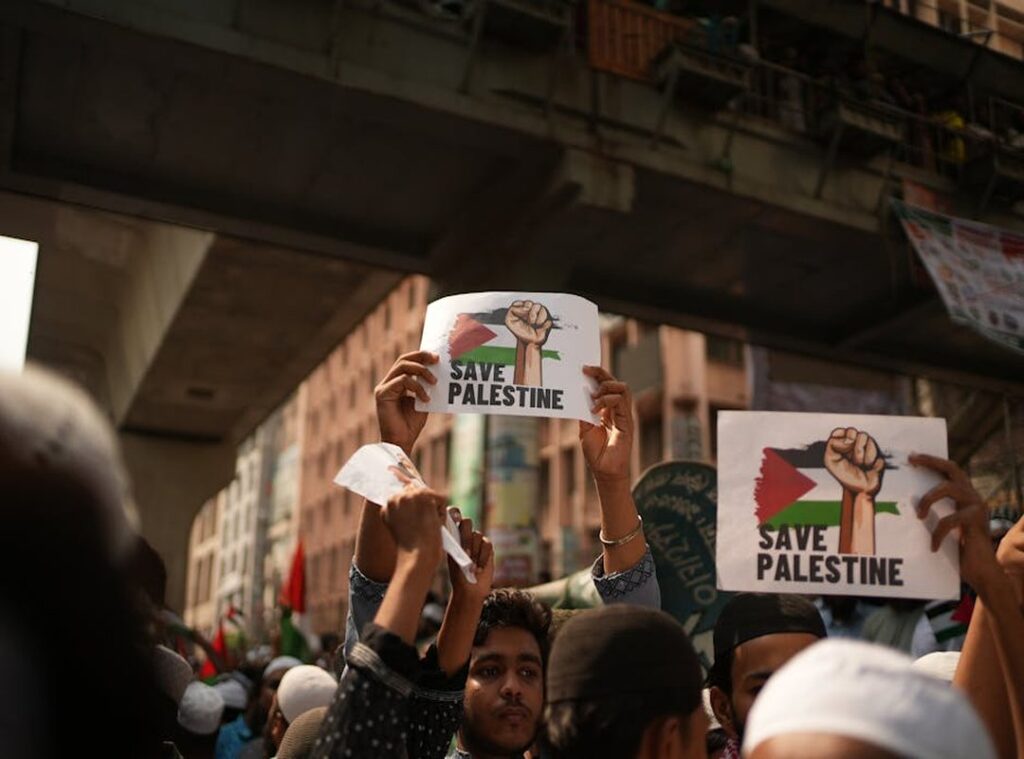
Nando’s has publicly stated it does not operate restaurants in Israel and maintains no official political stance. You might have seen a lot of chatter online, and it can get confusing. This article aims to provide a clear breakdown of Nando’s official statements, the context behind the controversy, and how to separate verified information from social media rumors.
The issue often arises from broader geopolitical discussions and consumer activism campaigns targeting multinational corporations. It’s easy to get lost in all the noise. I promise you a comprehensive and unbiased overview based on publicly available information and company communications.
Does Nando’s support Israel? Let’s dive into the facts.
What Nando’s Has Officially Said
Nando’s, especially from its UK and international social media accounts, has made specific statements addressing the issue. They confirmed they have no restaurants in Israel.
They also stated clearly that they do not take political sides. These statements were often in response to direct questions from consumers during periods of heightened conflict.
- Nando’s confirmed they have no restaurants in Israel.
- They emphasized their mission is to serve chicken, not engage in political debates.
- Nando’s South Africa had to clarify its position due to the brand’s origins and the country’s political landscape.
Nando’s stance is one of commercial focus. They aim to serve great chicken without getting involved in political debates. This approach is consistent with their operations in nearby Muslim-majority countries, which they often cite to demonstrate their apolitical, business-first approach in the region.
Does Nando’s support Israel? No, they’ve made it clear they don’t take sides. Instead, they focus on running their business and serving customers.
Speculation: It’s likely Nando’s will continue to maintain this neutral stance. In a world where brands are increasingly expected to take stands on social and political issues, Nando’s might face more pressure to do so. But for now, they seem committed to staying out of the fray.
The Source of the Controversy: Boycott Calls and Online Campaigns
The BDS movement is like a wildfire. It spreads fast, fueled by strong emotions and a desire for change. This movement encourages consumers to boycott, divest, and sanction companies with perceived ties to Israel.
Nando’s found itself in the crosshairs, often through misinformation or association rather than any direct action. It’s like being caught in a storm you didn’t cause.
Does Nando’s support Israel? That’s the question that keeps popping up. But the truth is, Nando’s has been targeted by online campaigns that spread like a virus, even when the information isn’t accurate.
Social media posts and lists have included Nando’s, sometimes based on rumors about a specific investor or false claims of operations. It’s like a game of telephone, where the message gets more distorted with each retelling.
The power of viral social media campaigns can shape public perception, even if the facts are skewed. Nando’s global presence makes it a visible target, much like a tall tree in a forest during a lightning storm.
Misinformation can spread quickly, and Nando’s has had to repeatedly issue clarifications. It’s like playing whack-a-mole; just when you think you’ve cleared one misunderstanding, another pops up.
Franchise Ownership vs. Corporate Stance: A Key Distinction
Nando’s business model relies heavily on individual franchisees who own and operate their local restaurants. This means the personal political views, donations, or actions of a single franchise owner do not represent the official stance of Nando’s corporation.
Think of it this way: if a local franchisee supports a political candidate, that doesn’t mean the entire global brand endorses that candidate. It’s like saying one person’s opinion in a large family speaks for everyone.
This model can create confusion. An action by one restaurant owner can be mistakenly attributed to the entire company online. For example, does Nando’s support Israel might be a question that comes up, but the answer lies with the specific franchisee, not the corporate entity.
Nando’s corporate has limited control over the personal beliefs of its thousands of franchisees worldwide. It’s important to understand this nuance. A blanket boycott call might be based on a misunderstanding of the business structure.
For more insights into how businesses and franchises operate, check out Mediagamblesaga.
Your Guide to Verifying Information
Finding the truth in today’s information overload can feel like a full-time job. But it doesn’t have to be. With a few simple steps, you can become a more discerning consumer of online information.
- Always check the company’s official website and social media channels. Look for statements in the corporate newsroom or on their official Twitter/X account.
Be wary of screenshots and unsourced lists. They can be misleading. Always look for links to primary sources like press releases or reputable news articles.
- Understand the difference between Nando’s corporate and a local franchisee. This is important, especially when you see claims like “does nando’s support israel.” Corporate policies and local actions can differ.
Cross-reference claims with fact-checking websites or multiple established news outlets. See if a story has been verified. This helps you avoid falling for misinformation.
By following these steps, you can verify information more effectively. It’s about being proactive and not just accepting what you see at face value.
A Clear Answer on Nando’s and Israel
The article concludes that Nando’s does not support Israel through any official corporate stance or operations. Based on all available public statements, Nando’s does not operate in Israel and has no official position on the conflict. The controversy largely arises from online campaigns and a misunderstanding of its franchise-based business model.
For the most accurate and reliable information, it is best to refer directly to the company’s official communications. With these verified facts, you can now form your own opinion, free from online misinformation.

 Edna Jaggerlic contributes to mediagamblesaga with a sharp focus on digital media and the evolving world of gambling technology. Her writing breaks down industry shifts and innovations, making complex trends clear and accessible to readers.